Monday, February 23, 2026

Males makeup- research

Makeup used for males in movies

Now that I finished the female makeup research I almost forgot about the males. In our movie the only male we have is the detective Marc Black. Detectives in mystery normally have this dark and grungy look to them.
Batman

One of the most famous examples of a detective with that dark smokey makeup look is Batman. For most detective movies they look semi tired and depressed for the most part. So in our film I wanted to achieve the same look with our detective. It can be classified as looking either emo or grunge.

How I Do My Emo Makeup 2024
  • The tutorial begins with fundamental steps: having a clean, shaved face and optionally moving hair out of the way.
  • The creator admits to skipping some traditional makeup steps such as primer, highlighting a casual, minimalist approach.
  • Uses Revolution Concealer (shade F2) and a cheap Beauty Blender (described humorously).
  • Applies powder after concealer, using affordable products like Target’s Fit Me powder.
  • Emphasizes “less is more,” but ironically applies concealer quite liberally.
  • Prefers using a brush for eyeshadow rather than fingers but admits to finger application at times.
  • Eyeshadow application involves using only a few colors from the palette, mainly pink/red tones and blue.
  • Eyeliner is applied on the waterline with a smudging technique using fingers, embracing imperfections.

How does this help the film?

This helps me in understanding how the detective should look. Also it helps me be able to understand how to get that grungy/emo look for the detective while making it look almost natural towards the detectives character. This will help the audience identify who the detective is and what type of detective they will be. Like Batman this detective will be extremely smart and well-equip to handle different situations like the murder at the party.

picking the makeup style for our film- planning

 Planning out the Makeup Needed in our Film

As discussed in my last blog post I will be doing 3 main looks the no-makeup look, clean girl look and the dark femme look. These will help the audience have a visual of how each character is even before they speak. In this blogpost I wanted to look at how to actually do the makeup looks.

How to achieve each makeup look

Dark femme

Dark feminine makeup tutorial🖤🥀


  • Tapping foundation instead of dragging prevents cakiness and primer lifting
  •  Blush placement on cheek contours enhances maturity and sophistication
  •  Contouring temples and cheekbones lifts the eyes and sculpts the face, creating a fox eye effect
  • The eyeliner technique elongates the eyes horizontally, avoiding a rounded, doe-eyed appearance
  • Incorporating subtle glitter in the inner eye corner adds dimension without overpowering the dark makeup
  • Emphasizing natural features like moles adds a personal and authentic touch to the final look
With this tutorial I can now achieve this makeup look in my next blogpost. These are a summary of the tips that are needed to achieve this look.

Clean Girl Look


the ultimate clean girl makeup routine *beginner friendly*

  • Avoids heavy foundation or full-coverage makeup that feels mask-like or cakey.
  • Focuses on enhancing natural skin appearance rather than covering it up.
  • Suitable for those with dry skin or concerns about makeup creasing, especially around smile lines and under-eye areas.
  • Emphasizes a “glazed donut” effect for well-prepped, hydrated skin.
  • Uses eye patches to reduce puffiness and dryness.
  • Applies moisturizing serums and creams (Anua rice intensive moisturizing milk, Mixoon bean cream) and sunscreen (Better Screen UV Serum by Kes).
  • Skin should look dewy and well-moisturized before makeup.
  • Skin should look dewy and well-moisturized before makeup.
  • The creator stresses not to overapply concealer or foundation, as heavy layers lead to an unnatural, creased appearance.
  • The skin tint is preferred over foundation for a lighter, more breathable coverage.
  • Emphasizes layering mascara carefully to avoid clumps and smudges, with different formulas for upper and lower lashes.
  • Encourages viewers to personalize the look by adding highlights or adjusting blush intensity.
This tutorial helped me understand what to do to achieve this look and also what could make this look not so good. With this knowledge I will be able to achieve the look in my next blogpost.

No-Makeup Look

No makeup, makeup look 💄

  • Concealer Application: Targeted placement of concealer is crucial to naturally lift the face.
  • Blending Technique: Using a damp beauty blender to blend concealer upwards helps achieve a subtle lift.
  • Product Highlight: NARS Radiant Creamy Concealer is used as an example, implying its suitability for this technique.
  • Avoid Heavy Contour: This method provides an alternative to heavy contouring, promoting a natural finish.
Core Concepts

  •  Natural Lift: Achieved by light, upward blending of concealer rather than contouring shadows.
  • Precision Placement: Applying concealer on specific “exact spots” enhances facial structure gently.
  • Tools: A damp beauty blender is preferred for seamless blending and a natural effect.
  • Apply concealer to designated areas on the face 
  • Blend the concealer upward with a damp beauty blender.
  • Avoid adding heavy contour to maintain a natural look.
Although this tutorial did not specify where to put the makeup she did show her face in the video so achieve the same kind of look will not be difficult. Now I will be able to do this makeup look in my next blogpost.

How does this relate to the film?

As stated in my previous blogpost makeup is important when identifying a characters personality even before they speak. In many movies and films the makeup the character wears directly relates with how they act in the show. These videos helped me understand the key concepts of each makeup style and what to avoid while achieving them. So now that I am equip with the knowledge in my next post ill be practicing and using the techniques on some participants to make sure I am well prepared for filming days.


makeup needed in our film- research

 What type of makeup look do we need for our film?

In our film the characters must have casual makeup as they have just come from a house party. So I will pick a makeup look that is both casual and also give a mystery vibe of a bolder makeup.

Types of makeup 

No-Makeup look

This is best for:
  • Daily wear
  • All skin types
Still from Girl with a Dragon Tattoo

This character barely looks like they are wearing makeup. Mostly this look is used for creating a casual atmosphere or to highlight a persons natural face. But in our film I would use this look to create a casual atmosphere.

Clean Girl Look

This is best for:
  • Everyday wear
  • Natural beauty lovers
  • Creating casual atmospheres
Still from The Girl on the Train

You can see this characters light blush and slightly colored lips. This makes the makeup look barely there just a slight touch up enhancing facial expressions.

Dark Femme Makeup Look

Best for:
  • showing confidence
  • creating suspicion
  • Making the audience intrigued
  • Shows a character having hidden motives
  • Indicating a character to be dangerous or deceptive
Still from Black Swan

This makeup is known for looking bold as seen here. Defined by smokey eyes and sharp lines exaggerating the face and allowing for the person to have a mysterious or seductive look. This would be one of the best makeup looks out of the other 2 when indicating maybe that person is the killer. This combined with the other two will allow for people to understand the character traits of each person in the film.

How does this help the film?

This helps the audience get a sense of the characters personality even before they can speak. As the type of makeup a person wears almost always indicates how they act. The softer almost no makeup looks indicates a person who might be shy or kind but the darker more seductive looks are best for indicating a characters confidence. A combination of these in our film will help the audience better associate a look with a person as sometimes outfits are sometimes not enough.

Sunday, February 22, 2026

names for characters- planning

 Picking out names for the characters in our film

Our film is a murder-mystery. After gaining knowledge about names in my last post I have begun to pick the names out. In our film we will have 9 characters who we will be following. The people who attended the party, the detective, and the victim. I wanted to be able to pick names that appeal to our genre while also being unique enough that they are memorable. I will be using teddy bears in place of the actors so I can state what their name is and also how their character will behave in our film. I decided to use this website (https://www.lovetoknow.com/parenting/baby/gothic-girl-names) in order to find nice names for the characters.

Characters and their personalities

Host of the party

The host is the victims best friend who was the closest person to the victim among the people at the party. The host will be names Cecelia Weston. The name Cecelia means unseeing, which plays into how the host did not expect to find her best friend dead in the bathroom. If this was more than an opening it will be shown how she is always sort of spaced out and closed off after the death of her friend.

Detective

The detective in the movies name will be Marc Black. In mystery movies with detectives Black is a popular last name so I decided to pick it. It's not considered to be a stereotype but it is a bit generic but for the character and how they act I believe that this will be the best last name for them.

Party goer 1

This characters name is Aurora McKenna. This character is known to be very bright and smiley. Always smiling and bringing happiness even in times of sorrow. 

Party goer 2
This characters name will be Quinn Weston. She is headstrong and has a fiery personality. She is distraught at first after hearing about the death of Lenore, but quickly this shifts into blaming the other people at the party.

Victim

This will be the victim whose name is Lenore Rivers. Lenore is a name commonly associated with sadness which is true to this character (because they are dead) but also because this character (if this was more than an opening) would've been revealed to be a shy and closed off person. Who was only close to the people at the party and closed off towards everyone else.
Party goer 3

This is another person who was at the party her name is Maeve Hayes. She is a kind girl who was the least closest person to the victim so when Lenore winds up dead she was very shocked. She is also the most suspected by Quinn because of her lack of closeness with the victim. After Lenore's death her relationship deteriorated with Quinn because of the lack of trust.

Party goer 4


This characters name will be Hazel Reese. Hazel has been Lenore's friend since diapers. Although they have drifted apart after attending different colleges they have still maintained a close relationship. After being informed into what happened she was in disbelief. How could this happen in such a short amount of time? And who could've killed her is all she could think about.


Party goer 5

This characters name will be Carmilla Sinclair. Carmilla is a weird girl always off on her own accords. It was actually surprising that she attended the party at all knowing that she always avoids parties.

Party goer 6

Zara Parker is the "mom" of the friend group. She always makes sure everyone is accounted for and has what they need. Kind and considerate in most situations. 

What does this mean?

This means that now I can pick a color to associate with each person. Also based on their personality will also help me visualize how they should act in the interrogation room. Like maybe one is just breaking down crying, while another could be sort of arguing and shifting blame onto another person. But this now helps me envision each character and how they will appear in our film.

Names for character- research

 What names could symbolize in our film

Our film is a murder-mystery so as the director I wanted to choose names that match the characters personality. Unfortunately, this is just a film opening so we won't be able to see their true personality yet but their names can play a huge role into what people think of that character. So first I wanted to research what not to do when choosing names to be able to avoid horrid names and pick nice ones for the characters in the film.
How to create STRONG character names | Writers Start Here


How are names important?

Character names are crucial because readers encounter them repeatedly, shaping their perception of the characters and story world. Also, poorly chosen names can break immersion or create unintended humor.

Different genres have distinct challenges in naming:

  • Fantasy and science fiction often struggle with hard-to-pronounce or overly complex names.
  • Thrillers and romance sometimes use overly generic or stereotypical names.
Our film has some thriller aspects so generic names may be the best picks as stereotypical names can cause issues.

What to avoid

  • Totally flat or generic: Names that feel interchangeable and lack personality (e.g., common thriller names like Jack Reacher or Jason Bourne).
  • “On the nose” names: Names that are too literal or symbolic, which can feel forced (e.g., Peta from The Hunger Games representing a baker).
  • Uniquely bad spelling: Altering familiar names with unnecessary changes just to appear unique (e.g., “Mallerie” instead of “Mallory”).

Common issues when choosing names

  • Flat/Generic Names: Overused, interchangeable names lacking distinction. For example: Jack Reacher, Jason Bourne. These names commonly cause reader disengagement due to lack of uniqueness
  • On-the-Nose Names: Names that overtly reflect character traits or professions. For example: Peta (baker), Steel (blacksmith’s son). These names cause reader distraction or loss of immersion
  • Forced Spelling Variations: Changing known names to be “unique” but awkward or confusing. For example: Mallerie, Jaxon. This often feels artificial and breaks the flow while watching the film (also can cause audience to forget the name)

Practical Character Naming 

  • Identify core traits or themes of your character (e.g., stoicism, calmness).
  • Use translations or synonyms in other languages for inspiration.
  • Search cultural or historical name databases relevant to your character’s background.
  • Check for potential conflicts or famous associations via online search.
  • Consider nicknames for storytelling dynamics and character relationships.
  • Adjust as needed to balance uniqueness, watchablility, and thematic appropriateness.

What are my takeaways?

Names are very important when identifying characters and to avoid issues its good to use names common for those genres. However, do not pick names that are to common as it can cause the audience to immediately know what type of character that person will be like/ what their role would be. It's best to use common but not stereotypical names for that genre. So with this knowledge in my next blog post I will be able to accurately pinpoint names that I will be using for the characters in our film!


Friday, February 13, 2026

planning out the type of instrument and the vibe of the music- planning

 In my previous post I picked out Musescore as my app of choice. Now I have to decide what type of instrument I will be picking to pay in the background of our film. In a previous blog I went over the sound used in murder-mystery's and now I have come between 2 different options guitar and violin. In our film I want there to be suspenseful music playing in the background the entire time. Starting off soft but as the plot progresses the music will also get louder. Then at the climax (finding the body) I want it to be at the loudest part.

So I wanted to research well how do I do about this?

How To Design Dark and Scary Sounds (For Producers / Composers / Musicians)

What is needed

This video explores advanced sound design techniques for creating scary, dark, and horrifying ambiences beyond traditional music theory like chords and scales. The focus is on manipulating audio reverse effects, reverb, pitch shifting, and time-stretching to craft unsettling atmospheres ideal for music composition, film, or video game sound design. Which is exactly what I want to give in our opening.

Core Concepts and Techniques

Backmasking (Reversing Audio):

  • Hiding secret messages by reversing audio clips; the message is only decipherable when played backward.
  • Historically done with physical tape or vinyl; used by bands such as The Beatles and Electric Light Orchestra (ELO).
  • Reversed audio naturally sounds eerie due to unnatural sonic characteristics.

Reverse Reverb:

  • Adding reverb to a clip and then reversing it creates a swelling effect that leads into the sound source, producing a truly horrifying and uncanny effect.
  • The effect works well because it sits in the uncanny valley of audio, sounding almost like human speech but distorted enough to unsettle the listener.
  • Example: Used in the old DOS game Heretic for magical character sounds.

Backwards Reverb Leading into Forward Speech:

  • Technique involves:
  • Reversing a dry vocal track.
  • Adding reverb to the reversed track.
  • Reversing the reverb-laden track again.
  • Result: only the reverb is reversed, which feeds into intelligible forward speech, creating an ethereal or ghostly vocal effect common in movies and games.
  • Can be applied to singing, guitar, piano, or other instruments.

Blending Backwards Reverb:

  • Using reversed reverb segments as supplementary layers blended with the original track to enhance mood subtly.

Experimentation with Reverse Audio:

  • Different instruments respond uniquely to reversal; guitar harmonics and wind chimes often yield interesting results.
  • Emphasizes the importance of experimenting to discover new textural possibilities.

Phonetic Backward Speech Reconstruction:

  • Attempting to mimic the backwards phonetic sounds of words, then reversing that to produce distorted but recognizable forward speech.
  • Technique notably used by filmmaker David Lynch in Twin Peaks to create unsettling soundscapes.

Slowing Down Audio (Pitch and Time Stretching):

  • Slowing audio lowers pitch (an octave drop at half speed) and can transform innocent sounds into eerie textures.
  • Software like Ableton Live (re-pitch function) and Paulstretch can be used to manipulate speed and pitch for ambient or disturbing effects.

Combining Techniques with Melody:

  • Playing a melody backwards and recording it, then reversing it again to produce the original melody notes with unusual timbral characteristics.
  • Adjusting the performance (e.g., playing an octave higher and faster) combined with slowing down the final recording can enhance weirdness and creepiness.
  • Examples:
  • Dream Theater’s “Misunderstood” uses this reversed performance technique.
  • The Beatles’ “In My Life” employs the opposite approach, recording slow and low then speeding up for a distinct sound.

Takeaways

  • Reverse audio techniques can transform ordinary sounds into deeply unsettling textures, essential for horror-themed sound design.
  • Reverb manipulation, especially reverse reverb, adds a ghostly, uncanny quality that enhances fear and mystery in audio.
  • Slowing down and pitch shifting are simple but powerful tools to create atmospheric effects.
  • Experimentation is critical; not all sounds work backwards, but some (like guitar harmonics and wind chimes) produce unique results.
  • These techniques are accessible with any audio software, including free or mobile apps, making them practical for creators at all levels.
  • Applications include enhancing video game audio, film sound design, vocal effects, and musical composition.

How Can This Be Applied To Our Film?

After knowing the vibe was going to be suspenseful I looked up this video. This video has given me a clear understanding into how to achieve this type of vibe. I'm going to use the violin in combination with the piano to create the most unsettling vibe that I can. Also this can be used alongside the app to compose a score that is suspenseful and unsettles the audience.

How to use Musescore- Research

 Musescore

After downloading the app I wanted to get an idea on well how to use it. So I decided to watch a tutorial.
MuseScore Step-by-Step Guide: Make Piano Sheet Music FAST

Key Features and Steps

Installation and Setup

  • Download MuseScore 4 from musescore.org.
  • Installation is straightforward; open the program to start.
  • Create a new score by selecting the instrument (e.g., piano keyboard) and entering title and details.

Score Preparation

  • Edit text fields by double-clicking; delete unwanted subtitles.
  • Modify time signature using the time signature palette.
  • Add pickup measures by adjusting measure properties (e.g., eighth-note pickup).
  • Add allegretto tempo text attached to a note or rest using text palettes or shortcut (Command + T).

Note Input

  • Enter note input mode by pressing N.
  • Select note durations via number keys (keypad preferred):
  • 4 = eighth note, 5 = quarter note, 6 = half note, 7 = whole note.
  • Dotted notes entered by adding a period (e.g., 5 + period = dotted quarter).
  • Input notes by typing their letter names; octave adjustments done with Command + arrow keys.
  • Chords entered by holding Shift to stack notes on the same beat.
  • Rests entered by typing zero (0).

Adding Expressions and Articulations

  • Dynamics (e.g., piano) added by selecting notes/rests and choosing from the Dynamics palette.
  • Text expressions (e.g., “cando”) added via shortcut Option + E.
  • Slurs created by selecting notes and typing S; toggle slur position with X.
  • Staccato marks added with Shift + S or from articulations palette.
  • Fingering numbers added from the fingering palette or quickly by shortcut (Control + Command + S) for faster input.

Formatting and Layout

  • General style and page layout adjusted via Format > Style.
  • Page scaling alters overall size.
  • Beam properties palette allows connecting beams.
  • Stretch function modifies spacing between notes.
  • Layout palette elements can be dragged to measures to adjust spacing above or below staves.
  • Elements can be hidden by selecting and typing V.

Editing and Navigation

  • Deleting measures requires selecting and pressing Command + Delete; deleting notes alone does not remove measures.
  • Adding measures can be done before, after, or at the start/end of the score.
  • Lyrics added via Command + L, progressing syllable by syllable with the space bar; multiple verses supported.
  • Transposition done through Tools > Transpose, by key or interval.
  • Copy/paste repeats for saving time.
  • Quick note changes done by selecting a note (not in input mode) and typing a new letter.
  • Undo function (Command + Z) is essential.

Playback and Review

  • Playback controls located top right; drag to reposition.
  • Space bar toggles play/pause.
  • Tempo and other playback settings adjustable.


How does this help?

This helps me better understand the website so that I will not make as much mistakes when starting to make the sound for my production. Also so that I know important shortcuts and what each element means in the app.

What apps to use for creating sound used for murder-mystery movies-research

Versatile Sound Apps

MuseScore Logo

Pros

  • Free and accessible
  • Strong Community and sharing platform
  • Cross-platform avalibility
  • User-friendly: intuitive layout, which helps with the composition process

Cons

  • Playback quality: sometimes the instrument sounds aren't synched up/ sound weird
  • Learning gap for advanced features: some formatting tools can take a long time to be able to understand how to use
  • Performance issues: Larger scores can cause lag on different hardware
Freesound logo

Pros

  • Open-source and accessible: anyone can use it even without installing software
  • Powerful search and discovery tools: very accurate in helping users find what they need
  • Community driven platform: contributions from many different people make the app so great

Cons

  • Quality issues
  • Not a full production tool
  • Website-based limitations: like occasional slowdowns

Which one will I use?

After careful consideration Musescore will be the best website for our production as I can actually create sounds using it. But I will still use some aspects of freesound to get an idea of the different types of string instrument to incorporate it into the composition that I will make later.

Character Roles-Research

What are character Roles in a film?

Before going into what character roles are towards my film I wanted to get an idea of well what are the types that can be found in a Mystery movie.

I used the website Jeanneriedbooks to get my information.

https://www.jeanneriedelbooks.com/characters-in-a-mystery-story/#How_character_roles_shape_the_plot

Character Roles

Detective

This one is obviously needed as what is a mystery film without the hero (the detective) who is able to connect all the puzzle pieces together to solve what happened.

Traditional Roles:

  • Professional Detective: the person paid to solve cases
  • Reluctant Investigator: A person puled into the mystery against their will (often due to framing or family being involved)
Core Traits:
  • Intelligence: Must be smart enough to see what ordinary people could not
  • Curiosity: They must be willing to utilize every clue possible to solve the case
  • Flaw or Weakness: Every good detective has a flaw that makes them seem human and relatable (to audiences)

Assistant

The sidekick must be someone who the detective can rely on to help them.

Purpose:
  • Support: Helping the detective with anything
  • Contrast: They are often much different than the detective (maybe in personality or moods) to make the detective's brilliance shine through
  • Helping audiences understand: Many times the detective uses terms that ordinary audiences can not compute so the assistant is there to "put it in regular peoples terms" to help the audience understand what is going on
  • Traits: They are known to be loyal to the detective and often have a bright and warm personality

The Victim

The victim is why the detective is even there. They are the catalyst in making the detective have a first piece of the puzzle to solve what happened.

  • Background is essential: The background gives the motive for the crime. Like who did they anger? Who did they fall in love with? or What did they possess? These all give clues as to why the victim became a victim in the first place.
  • The type of victim: Who the victim is drives the motive. Like if they were a mean and stingy boss the list of potential suspects gets very long. But if it was a sweet person who was nice to everyone the list of suspects is very random. It's all about the drive
Types of victims:
  • The innocent: Tragic as the crime is often a mistake or the victim just got unlucky
  • The Secretive: This type of person hid something (maybe parts of their life or job) and now that secret has come back to bite them
  • The morally gray: They were a bad person. This leads to many people having a good reason to want them gone

The Suspects

These are all of the people who could have committed the crime. The more well developed/interesting a suspect is the better the mystery.

Why are multiple suspects needed?: Well they are needed because 2 suspects is to easy makes for a short crappy film. But with 4-6 suspects that's where we can get that flow because as the individual suspects secrets come out it helps with the speed and interest in the plot.
Typical Suspect Stereotypes:
  • The Loved One: This could be the wife, husband, child, or the best friend. These suspect often has the most emotional motive toward the victim
  • The Rival: This can include a business competitor, the co-worker who wanted that position, or their old enemy
  • The Witness who is hiding something: This is a person who saw something that could reveal the truth but won't say it because they will also be exposed
  • The outsider: Someone who was new to the area, family, workplace
  • The Red Herring: This is the person who the audience believe to be 100% guilty because they just look like they did it but they are not and instead are innocent. After used to distract the detective and audience from the real killer

The Culprit

  • How to make a good culprit: They can't just be evil for no reason. This person must have a motive to explain why they did the things that they did. This must be strong and understandable no matter how wrong it seems to the audience. They must be made to seem like they were always apart of the cast (not obvious that it was them the whole time) but it must be obvious enough once the culprit was revealed giving the audience that OHH feeling.
  • Motive, Method, and Opportunity: The culprit is the only person who has all three:
  • Motive: The reason (maybe to inherit money or get that new promotion)
  • Method: The way they did it (poison, gun, knife, suffication)
  • Opportunity: The chance to do it (maybe they were the only one in the room at the time)

How to hide them in plain sight

The best way to hide the culprit in plain sight is to make them someone no one would guess. Make them be quiet, helpful, or sometimes they are shown to be the person who "finds" the body. They must be a "trustworthy" person so no one could guess them right away.
Knives Out 2019

Just from this photo (if you never watched the film) it is hard to identify the killer. Everyone is following the same type of pallet and the culprit is wearing non of the tell tale signs that they are evil. But you can still identify them by the body language displayed here. Looking at the killers face and how they are the only one wearing this bright white t-shirt we can see that it is them. They are clashing with the muted colors in this picture.

How does this make it a satisfying reveal

The audience should feel surprised that this person was truly the culprit but also have a feeling that they should have known all alone. Makes them look back on clues differently like OH this meant that and that's how this person was the real culprit. The clues must be present all throughout pointing towards this person subtilty revealing their motive, method, and when they had the opportunity to strike.

How does this relate to my film?

With this knowledge alongside my color knowledge I will be able to effectively obey all of the conventions of the genre that we are doing. While also making each character unique. I now know about how many people must be seen leaving the small house party as they will all be suspects along with the host. I also need to lay out clues and different ways to be able to piece together who the killer is. The ones I will be using in my film is the suspects, victim, and culprit as this is just the opening and the detective is yet to be revealed. Now alongside with the color knowledge I can piece together what each person must wear and how they will act during our production to obey both color and their character roles.


Clothing Colors functions for clothing- research

 What Does the Color of Clothing mean in films?

What do colors movie characters wear mean?

What Different Colors mean

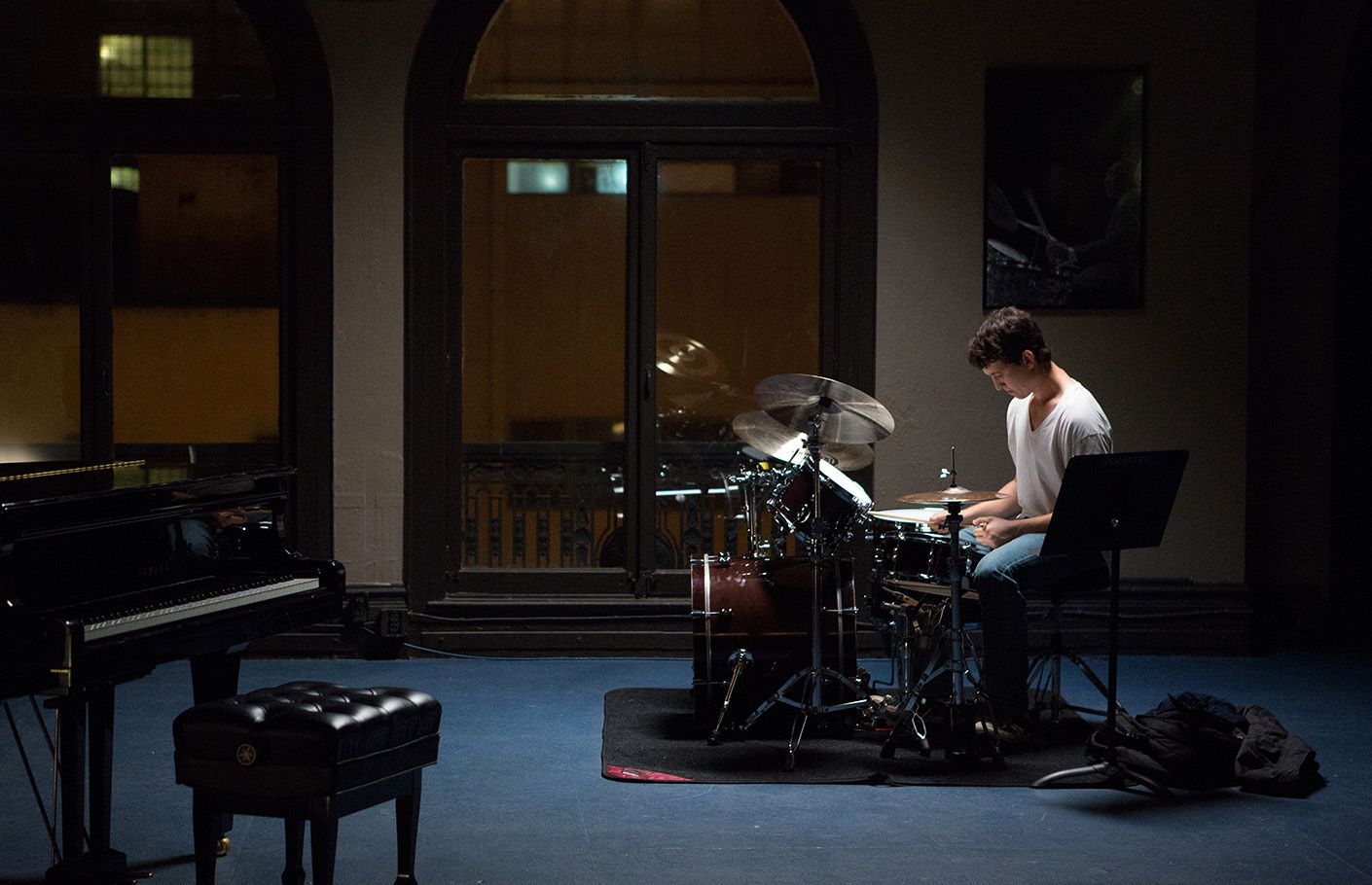
In this video I got a great understanding of how color of clothing works. In many movies characters are given a single color in which we can associate them with. Sometimes for the bad guy this color clashes with the color theme of the movie to stand out. Like if there were hues of yellow and brown throughout the movie and then this character just comes in with dark blue it could help shift our attention to this character and go WOW this person is giving evil villain vibe. Some times the color could indicate a change in the character from either bad to worse or no power to lots of power. Like maybe the person was at first wearing white which signifies "harmony" and "innocence" and as the film progresses they begin to wear darker colors allowing us to kind of see their decent into madness or becoming much more different then how they first were. And in the little to no power for example we have whiplash where in the beginning he was wearing white to show he was all the way at the bottom of the hierarchy but by the end of the movie he was wearing black just the the harsh instructor showing that he rose to the top of said hierarchy.
Still from Whiplash January 16,2014
            
Still from Whiplash January 16,2014

In a website called colorwithleo I got a deeper understanding of what each specific color means not just what the color helps us to understand. 
https://www.colorwithleo.com/what-does-color-symbolize-in-clothes-in-film/

Yellow

In films yellow is often linked with positivity. This is because after our brain sees this color it releases serotonin which makes the audience feel "happy" emotions. It could also be used for not so positive things like warning and deceit.

Black

Incoming danger or the introduction of someone evil.

Red

Red can symbolize a plethora of things such as aggression, anger, danger, revolution and sacrifice.

Green

In films green usually symbolizes renewal, jealousy, greed and poison.

White

White is used in many ways during films but we mostly see it being used to convey purity, innocence, cleanliness and sometimes emptiness.

What does this mean for our film?

I wanted to do this researcher because as the director it is my job to have an idea of what each character wears. For the script as I posted earlier I want the victim to be wearing white to represent that they had no reason to die/ they were innocent to the evils about to befall upon them. As we see the party goers leaving out I want for everyone to be wearing a yellowish and black tone of clothing to give a sense that something is wrong here. I want it to help move along the story to basically make the audience already know that something isn't right/ it's leading up to something. For the murderer however I will give them something green to hold maybe a candy packet or something (it's still on the drawing board) to early on symbolize that hey that person definitely did it but their faces won't be shown as they are leaving the party still appealing to the mysterious vibe of our film.

Takeaways

Color can mean many things to film. But it is mainly used to give an audience some type of introduction to the characters by the clothes that they are wearing. It can show the characters mental state and even help identify if they had any growth throughout the movie (even if it was bad). 

Friday, February 6, 2026

Sound Used in Murder-Mystery movies- Research

 In murder mystery there are lots of sting instruments used most likely to be something like the violin and the guitar, but every sting instrument counts. These instruments usually depict what type of vibe you are going to get from the film.

Different Movies that have this

Murder-Mystery that starts with string instruments

1.) The Girl with the Dragon Tattoo

The GIrl With the Dragon Tattoo Opening Title Sequence - David Fincher Movie (2011) HD
  • In this opening the guitar is setting a cold, investigative vibe from the start. The strings are sparse, icy and unsettling which are perfect for movies about secrets, violence and of course investigation

2.) Murder on the Orient Express

Murder on the Orient Express - Opening Scene | Perfect Eggs
  • In this opening the string instruments are used to show that the person who needs the eggs is of the most importance because the speed of which they are playing is very fast. Also, we get a sense of the setting it seems like we are in a Middle Eastern area which we can also tell by the string instruments of which they chose to use.
3.) Zodiac (2007)
Zodiac (2007) - Darlene Ferrin and Michael Mageau assassination - HD
  • This string instrument in this opening at first it is used to create tension without announcing itself. As the string instrument comes back it creates a sense of dread as we know they will not survive the encounter with the killer.

What have I learned from this?

Different string instruments are used to convey different things inside of Murder-Mystery films. But the basic idea is to:
  • show something is off
  • indicate that danger is near
  • also indicate that secrets are about to be revealed
Also, different instruments can mean different things like:
  • a sudden staccato burst indicates a clue being identified/finally making sense
  • a droning cello indicating danger
  • the tremolo of a violin being used to make us feel the anxiety of the scene
The music used helps a lot with guiding the storyline in mystery moves.

Actually making the script- implemetation

 After considering each part of making the script I have written it. If you do not know the steps of making a script just look at my previous blogpost!

Script

Script 

EXT. THE LEMON HOUSE – EVENING 

Focus in the area around the house- EVENING GOING ON NIGHT 

INT.  HOUSE- LIVING ROOM/ DINING ROOM 

FOCUS ON THE INSIDE HOUSE. Transitional styled house, with many bookshelves and games laid out 

LOOK INSIDE OF THE ROOMS. Get a sense of the theme through the setting type and props laid out. 

In the living room follow a character called “MYSTERIOUS NAME” who calls out to the members of the friend group as everyone is tired after a long afternoon of partying. 

EXT. FOCUS ON THE FRONT DOOR 

The characters begin to pile out of the house. One by one they pile into their respective cars and begin to leave, when “dead persons best friend” says that “dead person” is missing and that they were her/his ride home and that it was getting late and she/he has work the next day. 

They ask where “dead person” is and ask “MYSTERIOUS NAME” where they could be. “MYSTERIOUS NAME” sighs before walking back into the house as “dead persons best friend” follows. 

As “MYSTERIOUS NAME” walks around the house shouting out ‘dead persons name’ they see a door open to a room that no one should’ve been in. 

A little freaked out they walk into the room to find “DEAD PERSONS NAME” dead on the floor with signs clearly showing that this death was no mystery. 

Reflection

So far this is what the story line should look like but it still is up for change. As you can see we get a good sense of setting which will be further explained in more detail once we pick out the peoples names.

Also here is a link of Knives Out script of which I took reference from:

Thursday, February 5, 2026

Planning out what the storyline will be- planning

When making our script I wanted to take inspiration from a great film called Knives out. The way that this opening is formatted is perfect for the genre that we chose (murder-mystery).

OPENING SCENE | KNIVES OUT

In this scene we see that in murder-mystery films especially ones filmed at a house we need to give the audience visual cues on who the person was and their behavior. From this scene alone with the cup, we can tell that the victim was most likely a strict person as the writing on his mug suggested that.

How I want our film to be set up

Setting and Props

Until the Victorian style house seen in Knives Out, we wanted to give a more modern suburban vibe to our movie. So, we are going to get introduced to a house party laying out visual cues like the "red solo cups" as seen in many movies as well as board games laying out. For the board game we are mainly going to focus heavily on the clue board game giving subtle hints that something isn't right and indicate that they are dead. But we are going to hint at this because as they call out the victim's name, they are going to be met with silence adding onto the tension of the scene.

Audio

In the murder mystery genre, we get to hear lots of string instruments. So, for our movie I wanted to do a buildup. At first you can only slightly hear the sound of the string instrument but as they get closer to finding the body it gets louder, then at the loudest section will be when they find the body. Before it cuts to the title screen ending the non-diegetic string instrument sound.

Clothing and Makeup

Unlike the more rich vibe characters in some murder-mystery films give we wanted a more modern calm vibe. So, the characters will be dressed in casual clothing with minimal makeup. The only person that could possibly be wearing less casual makeup is the host of the party.

Plotline

At the beginning of the party most of the guest are leaving out when all of a sudden, the best friend of the victim comes in. They ask the host if they had seen them as it was time to go home. The host is mildly annoyed but still insists on helping look. They search around the house when they see a door open that should not be open and get a little creeped out. They walk in only to see the person dead. They scream as it cuts to the title card.

OR

After everyone leaves the host is alone cleaning up the mess. They look a bit tired as they sluggishly clean inside of the house. Where we see the board game giving us a clue into who died. We follow this character as they walk around the house cleaning (giving an idea of setting). When we follow them into the backyard where the outside bathroom light is on. They think that this is odd because no one had been in the pool so there was no need to go in there. Feeling a bit irritated thinking that it was just the friends being annoying as they always pull these types of silly "pranks" they walk in. Only to see the victim dead and then cut to the title scene after we see their reaction to the body.

After careful consideration with my group, we have decided to go with the second option.

How to make a script for a movie- Research

As the director of our production I need to get started on making our script for the film. But first I need to find out how to format a script.

How to Format a Screenplay: Screenplay Formatting 101

Format of a Script

Slug line

  • All scenes start with a slug line
  • location followed by a time (location can be anywhere)
  • time is just what time of day is it (ex. night, day, evening)
  • use continuous if the action carries on from the last scene
  • use flashing back when speaking about past events
  • first part of slug line tells weather the location is inside or outside
  • Use EXT (for exterior) and use INT for interior.
  • both in the case of moving vehicles

Action Lines

  • The key to successful action is to keep it visual and in the present tense

Capitalization

  • Capitalize character names the first time they appear
  • Capitalize sound effects
  • Capitalize key details and props (or plot twist)

Dialogue

  • We write out if it is a voice over for example (V.O.)
  • We write out when they are speaking through a device for example (INTO PHONE) 
  • Also, when the character is off screen speaking for example (O.S.)

Parenthetical

  • this changes the way a character speaks
  • it can make the line sound completely different depending on what is written

Transitions

  • tells the editor what type of cuts to use 
For the opening that I have been planning out these are the elements of a script that needs to be present.

Genre Research- Murder-Mystery

 Murder Mystery

After discussing with my crew, we decided that a Murder-Mystery genre will be the best idea for our film. Murder-Mysteries have many aspects found in horror such as the focus on the dead body, and the thriller aspects towards it.

The Art of the Murder Mystery Twist with Anthony Horowitz

The aspects of Murder-Mystery

Twists

A twist is the reverse of expectations. This happens when the film leads the audience down a certain way making them believe that something is happening, when all of a sudden everything is changed. All of the rules are different this makes the audience know that the whole time while watching the film they had been seeing things all wrong. However, twists are not always needed as forcing a twist into a film won't work, as the twist has to feel natural (as if it was always going to lead to it even if you as the audience did not know it yet). The reveal of the murderer most times is not considered a twist. But the way to make it a twist is spinning the nature of the murder changes maybe they were not in power, but they gain it switching places with the "rich person/person in charge", but then it leads to the murder does it but at the same time maybe they did not. The way to feed into this is by giving out visual (or implied) clues, ways the different character behaves, with the director's knowledge as we know what is going on. The director always knows more than the audience allowing for us to play with them to make the film seem like it's going in one way but actually it could be going in a completely different way.

For twists audience should feel a bit bamboozled at the reveal of who the murder is, but at the same time they should feel like they could've figured it out had they looked at clues more closely. Gives them a feeling of "how did I not guess that?"


Males makeup- research

Makeup used for males in movies Now that I finished the female makeup research I almost forgot about the males. In our movie the only male w...